A three-tier cloud literacy pathway for ages 9 to 17
From unplugged foundations in upper primary to project-based cloud computing in Senior School — every tier is aligned to Kenya's CBC/CBE curriculum.
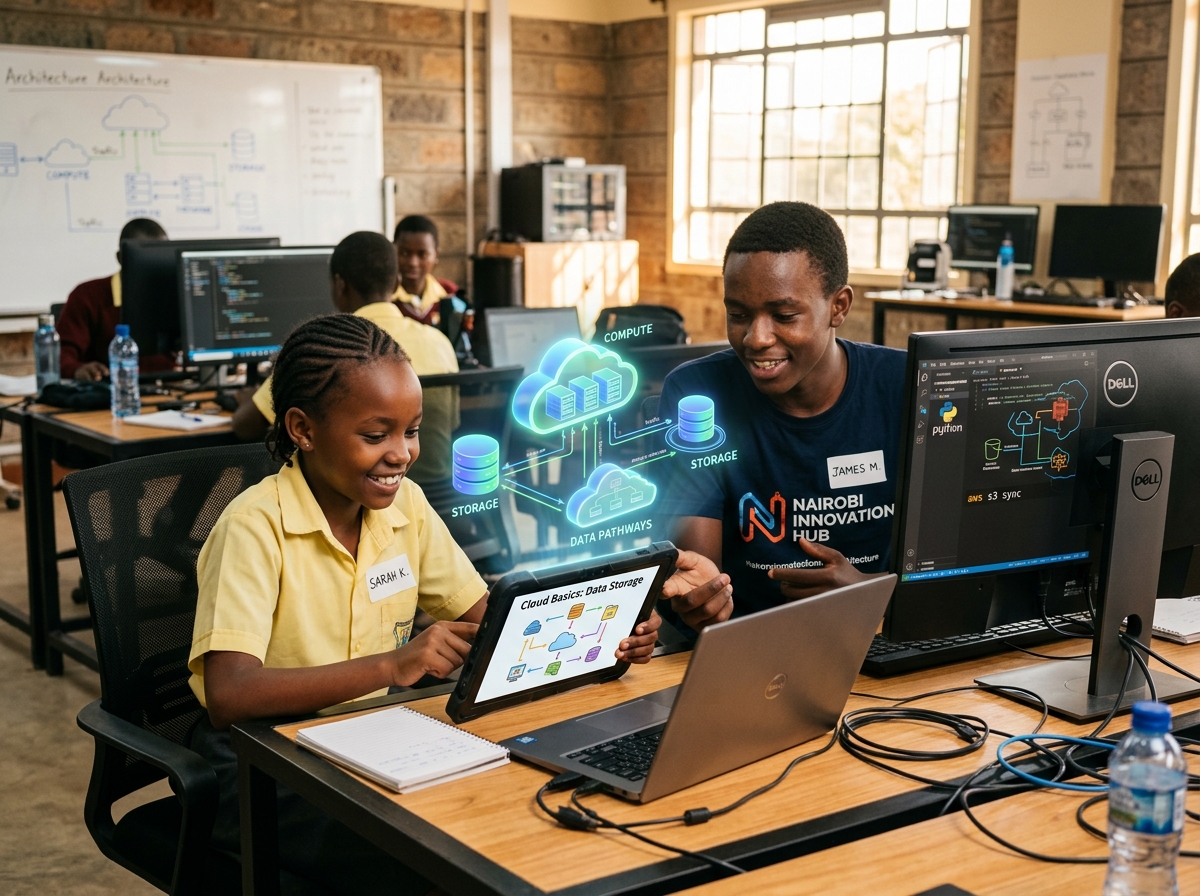
No courses match that search.
Foundational Grade 4-6
Digital Literacy (Core Competency) & Pre-Technical Studies
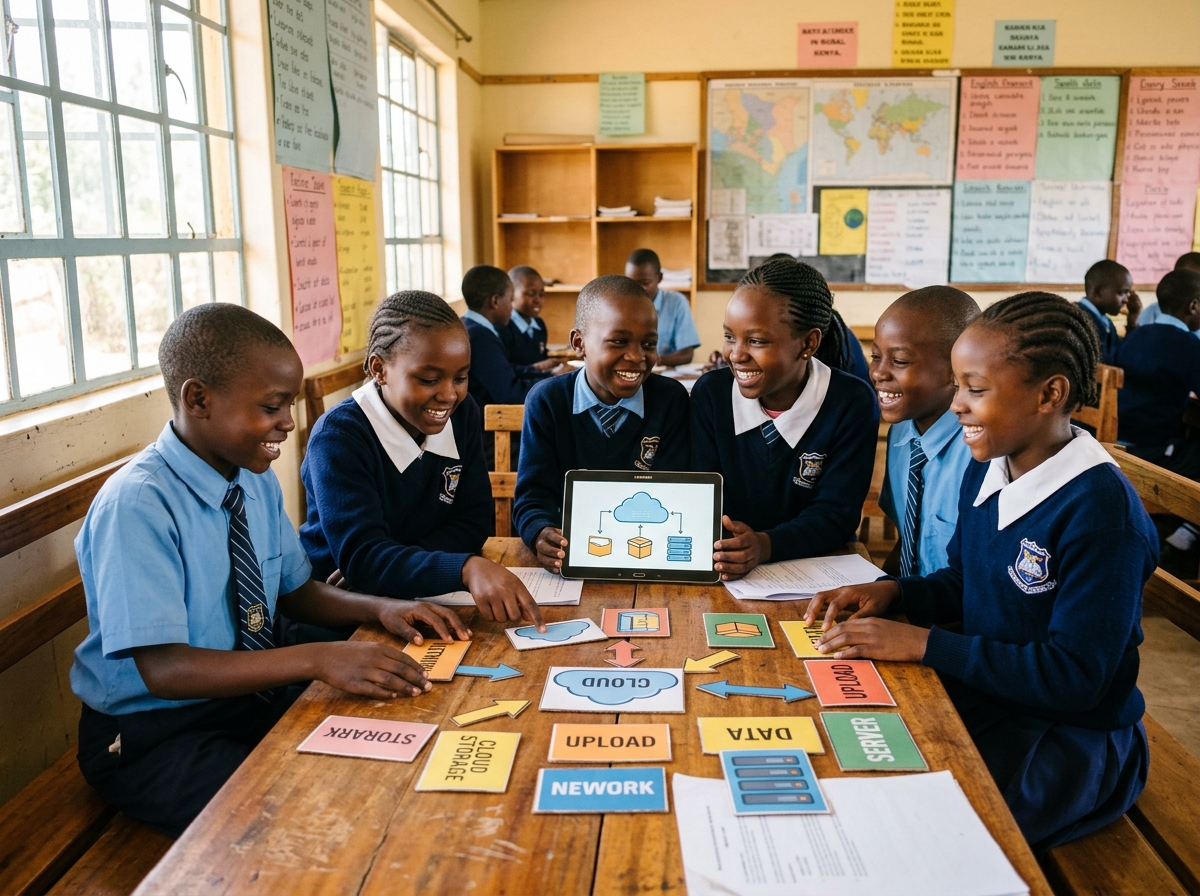
Designed to need little to no hardware or connectivity, the Foundational tier introduces core ideas of data, storage, networks, and the internet as groundwork for cloud concepts later on.
Computer Packages & Basics
Meet the parts of a computer, the software that runs on it, and how files and folders keep your work organised.
4 lessons · 630 min · exam included
View courseWhat Is the Cloud, Really?
Unplugged activities that explain data, storage, and networks with everyday objects.
5 lessons · 480 min · exam included
View courseMy First Digital Projects
Simple, low-tech creative projects that build comfort with digital tools.
4 lessons · 90 min · exam included
View courseIntermediate Grade 7-9
Computer Science & Pre-Technical Studies (Junior Secondary)
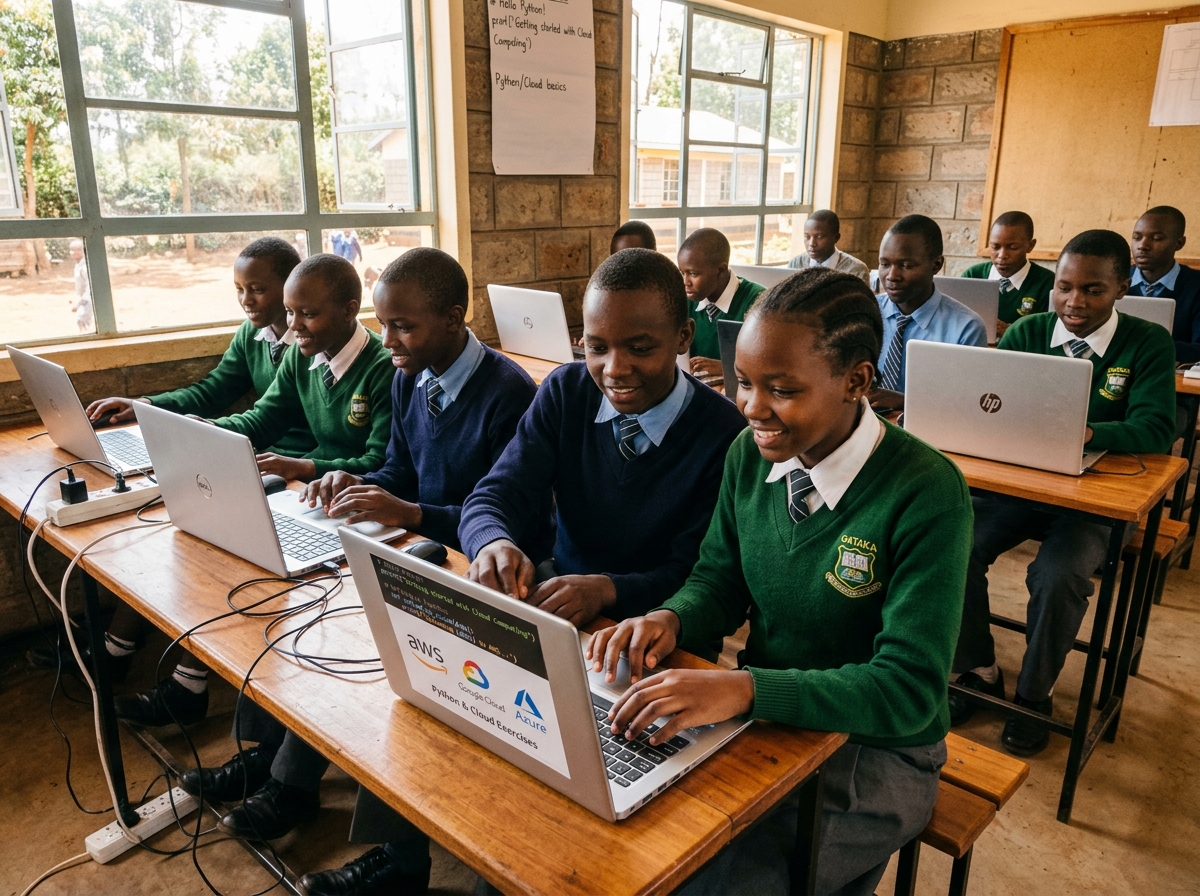
Learners get hands-on with free-tier education offerings such as AWS Educate, Google Cloud Skills Boost, and Microsoft Learn for Educators, alongside basic coding from Scratch through to Python.
Coding Foundations
From block-based coding to real Python programs.
4 lessons · 90 min · exam included
View courseGetting Started in the Cloud
First cloud accounts and first cloud-hosted mini-projects.
5 lessons · 120 min · exam included
View courseAWS for Kids: Explore Amazon's Cloud
A dedicated, hands-on journey into AWS: what it is, its core services, and your first real projects.
7 lessons · 180 min · exam included
View courseBuilding Real Cloud Applications
Cloud service models, deploying apps, cloud databases and APIs, and keeping cloud data secure.
4 lessons · 750 min · exam included
View courseAdvanced Grade 10-12 (STEM Pathway)
Computer Studies / Technology & Engineering (STEM Pathway, Senior School)
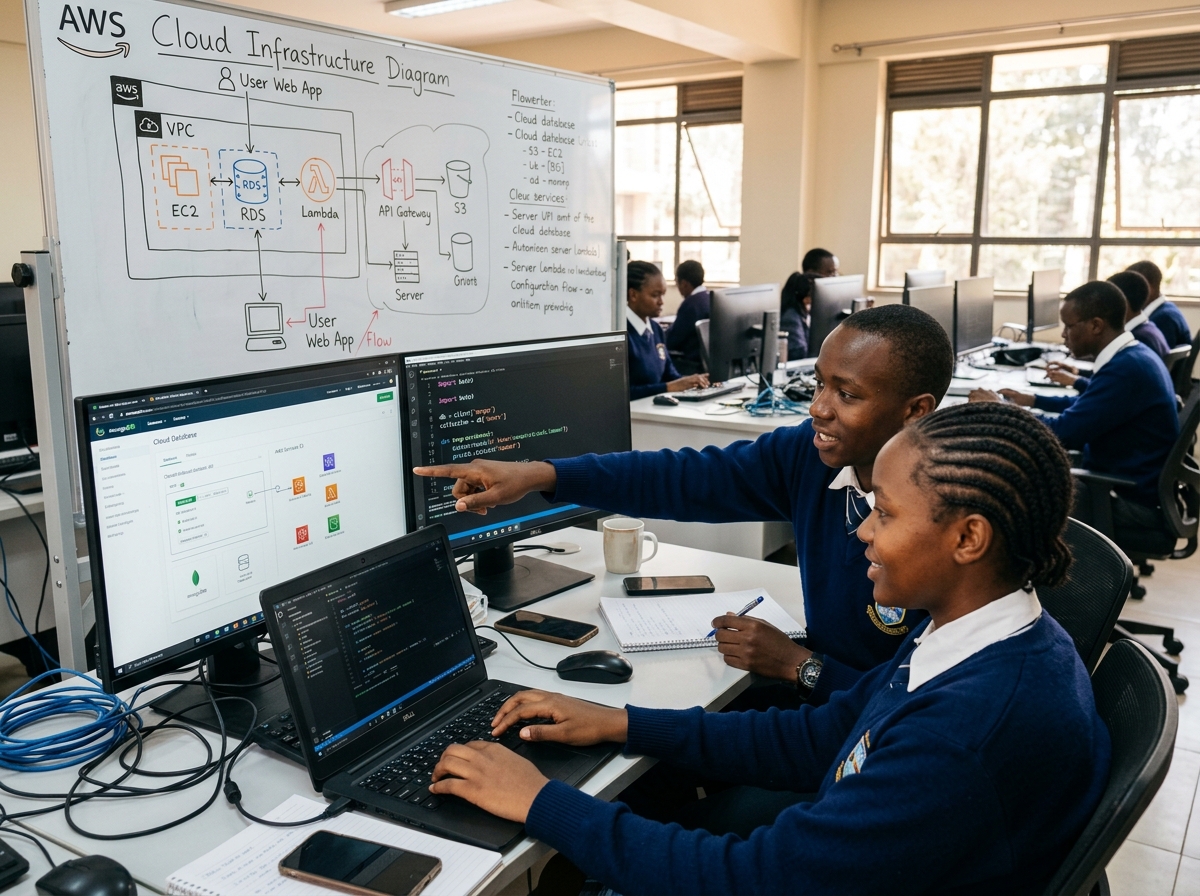
Within the STEM pathway's Computer Studies track, learners undertake project-based units covering basic web hosting, simple databases, and introductory AI/cloud services, with an emphasis on portfolio-building toward AWS Educate, AWS re/Start and university Computer Science admission.
Cloud Databases & Web Apps
Build and host a simple database-backed web application.
4 lessons · 90 min · exam included
View courseAI & Cloud Services
An introductory look at AI services that run on the cloud.
3 lessons · 60 min · exam included
View courseCapstone: Your Cloud Portfolio
Package your best work into a portfolio for AWS Educate, re/Start or university applications.
4 lessons · 90 min · exam included
View courseMapped to Kenya's Competency-Based Curriculum
Digital Literacy is one of seven core CBC competencies. Cloud for Kids plugs into the recognised curricular anchors at every stage as complementary enrichment, not a replacement for formal curriculum delivery. In April 2025 CBC was rebranded Competency-Based Education (CBE).
| Tier | Grade range | CBC / CBE anchor | Focus |
|---|---|---|---|
| Foundational | Grade 4-6 | Digital Literacy (Core Competency) & Pre-Technical Studies | Unplugged, hands-on intro to how data, storage, and the cloud actually work. |
| Intermediate | Grade 7-9 | Computer Science & Pre-Technical Studies (Junior Secondary) | Hands-on cloud platforms and coding: first accounts, first programs, first deployments. |
| Advanced | Grade 10-12 (STEM Pathway) | Computer Studies / Technology & Engineering (STEM Pathway, Senior School) | Project-based cloud computing: web hosting, databases, and intro AI/cloud services. |
A dashboard for everyone involved
Every account gets its own space once signed in, so learning is easy to follow at home and in class.
Learner dashboard
Your recommended tier, courses in progress, lessons completed, quiz scores, badges and hands-on labs, all in one place.
Parent dashboard
Approve your child's account, follow their progress and results, and message their teachers.
Teacher dashboard
Set up classrooms, see how every learner is doing, and use the curriculum map to plan lessons.